


The industrial property market in Singapore is still attracting business owners, property investors and companies looking for ways to grow their businesses and diversify their property portfolios. As Singapore remains a regional manufacturing, logistics and business centre, industrial real estate forms part of the country’s commercial property mix.
But buying an industrial property isn’t just about finding an affordable unit or purchasing a property in a popular industrial estate. A good industrial property investment needs to take into account location, tenure of the property, zoning, rental demand, building specification, connectivity with surrounding industrial activities and long term investment potential.
Whether you’re a first time industrial property buyer, an investor or business owner who wants to buy your own premises — these factors will help you make a more informed decision.
So what makes for a good industrial property investment in Singapore? Let’s look at the key factors.
1. Strategic Location and Industrial Connectivity
Location is one of the most important considerations when evaluating an industrial property investment in Singapore. An industrial development located close to transport links, suppliers, customers, manpower and supporting industrial services can provide businesses with easy access to all these elements.
Singapore has several established industrial locations (Jurong, Tuas, Woodlands, Kranji, Pioneer, Bukit Batok, Ubi, MacPherson, Tai Seng and Kallang).
Each industrial district serves different business needs. Jurong and Tuas are important manufacturing, logistics and heavy industrial locations; Ubi, MacPherson and Tai Seng cater for engineering, production technology and industrial service businesses.
Investors should also take into account the road network around it, whether expressways are nearby, MRT stations available and distance to business and industrial centres.
An industrial property that is easily accessible may be attractive to more businesses (depending on its approved use and building specifications).
2. Understanding Industrial Zoning: B1 vs B2

Before buying an industrial property in Singapore investors should know the difference between B1 and B2 industrial zoning.
Industrial zoning specifies what types of activities may be permitted in a development (subject to the planning conditions and regulatory requirements).
B1 Industrial Property
B1 industrial properties are generally for light and clean industrial activities which can operate with less environmental impact. Typical businesses include electronics, precision engineering, technology related operations, light manufacturing, assembly and some industrial services.
B2 Industrial Property
B2 industrial premises are generally for heavier industrial uses (which may have more environmental impact) and may be suitable for manufacturing, fabrication, engineering, industrial processing or other approved activity.
For investors zoning is important because it shapes the pool of business users and tenants.
A property suitable for a wider range of approved business activities might have different leasing considerations than one designed for more specialised industrial operations.
However buyers should not assume every business can operate in every B1 or B2 development. Specific uses, environmental requirements and authority approvals must be checked before purchasing.
3. Property Tenure and Remaining Lease
Property tenure is another major factor to consider when evaluating industrial property investment in Singapore.
Industrial properties may have different ownership structures and lease periods (freehold, 60 year leasehold and 30 year leasehold developments).
Freehold industrial properties allow ownership without a fixed lease expiry (subject to legal and planning conditions). However freehold properties can command higher acquisition prices and their investment performance still depends on location, demand, condition of the property etc.
Leasehold industrial properties require investors to look at the remaining lease balance.
As the lease gets shorter, financing options for the property may change; valuation of the property changes; resale market changes and attractiveness to future buyers changes.
Investors should therefore look at the relationship between purchase price, remaining lease, expected holding period and exit strategy.
A cheaper industrial property with a shorter lease is not necessarily a better investment. The purchase price has to take the remaining ownership period into account and future resale in mind as well.
4. Rental Demand and Tenant Profile
A good industrial property investment should have a reasonable level of leasing demand.
Investors buying industrial properties for rental income need to know what businesses are located in the industrial estate they are purchasing.
Manufacturing companies, logistics providers, engineering contractors, food producers, wholesalers, equipment suppliers, technology companies and industrial service providers are some of the profiles that could be tenant profiles.
Different industrial districts have different business activities. Knowing the local tenant profile will help investors decide if their property is suitable for the intended rental market or not.
Before purchasing investors should look up comparable rental sales, asking rents, vacancy rates and competing industrial development.
It is also worth looking at whether the size, configuration (loading access), ceiling height and approved use meet the requirements of potential tenants.
A well-located unit with practical specs may have an edge when competing for suitable tenants.
5. Building Specifications and Functional Layout
The physical attributes of an industrial property can greatly affect business usability and rental appeal.
Unlike residential property industrial premises are heavily weighted on operational requirements.
Some of the important specifications to consider are:
- Ceiling Height: Higher ceiling clearance may be beneficial for businesses that need vertical storage, machinery installation, production equipment or special operations.
- Floor Loading: Businesses with heavy machinery or large quantities of materials to store should check permitted floor loading capacity.
- Loading and unloading facilities: Loading bays, goods lifts and vehicle access can be convenient for businesses involved in transportation, distribution and manufacturing.
- Ramp-up access**: Ramp-up industrial units allow vehicles to use upper floors (depending on the building design and vehicle restrictions).
- Power Supply: Businesses that use industrial machinery may need more electrical capacity. Investors should check what is available and if upgrades are possible.
- Unit Configuration: Efficient layouts, regular floor plates and practical column spacing can all improve usability of an industrial unit.
These specifications can impact the range of potential business users and overall leasing appeal of a property.
6. Purchase Price and Price Per Square Foot
The purchase price is a major factor in determining whether an industrial property is a good investment.
Investors should compare the asking price of the property with similar industrial developments in the same location or surrounding industrial districts.
Price per square foot (PSF) is most commonly used when comparing industrial property prices.
However PSF comparisons are misleading as two industrial units may be of different specification, tenure, floor levels, access arrangements and approved uses.
Investors should make a more meaningful comparison by looking at:
- Purchase price and price per square foot.
- Property tenure and remaining lease.
- Unit size and floor configuration.
- Building specifications and facilities.
- Location and accessibility.
- Comparable recent transactions.
- Potential rental income.
- Maintenance fees and other ownership expenses.
Investors should also take into account buyer’s stamp duty, legal fees, financing costs and other acquisition expenses in the total investment outlay.
A cheaper industrial property with workable specifications and demand from business would be a more attractive investment than one which is cheaper but less usable.
7. Rental Yield and Investment Returns
Rental yield is one of the most common measurements used when judging industrial property investment in Singapore.
It tells investors what the relationship is between purchase price and rental income.
The basic gross rental yield formula is:
Gross Rental Yield = Annual Rental Income ÷ Property Purchase Price × 100%.
For example, an industrial unit purchased at $1,000,000 can be rented for $5,000 per month.
Annual rental income:
$5,000 × 12 months = $60,000
Gross rental yield:
$60,000 ÷ $1,000,000 × 100% = 6%
However gross rental yield does not represent the return received by the investor.
Investors should also deduct property tax, maintenance fees, insurance, repairs, vacancy periods, leasing commissions and other ownership costs.
A better measure is net rental yield which takes into account recurring expenses (owner’s and tenant’s) when owning and renting the property.
For investors using bank financing mortgage interest and repayment commitments should also be included in their cash flow analysis.
8. Supply and Demand in the Industrial Property Market
The supply of industrial properties can affect future rental performance and resale prospects.
Investors should know what industrial space is available in their desired location and what new developments may be coming up that could compete for tenants.
Areas with lots of new industrial supply may see more competition among landlords (e.g. when several developments have similar unit sizes and specifications).
On the other hand locations where business activities have been established and few suitable alternatives exist may be attractive to companies looking for operational space.
Manufacturing activity, logistics requirements, business expansion, economic conditions and government land supply policies all affect Singapore’s industrial property market.
Investors should monitor industrial IGLS (Government Land Sales), upcoming industrial developments and major infrastructure projects when looking for long term investment opportunities.
9. Proximity to Established Industrial Clusters
Industrial properties in established business clusters may have suppliers, service providers, manufacturers and supporting businesses already in place.
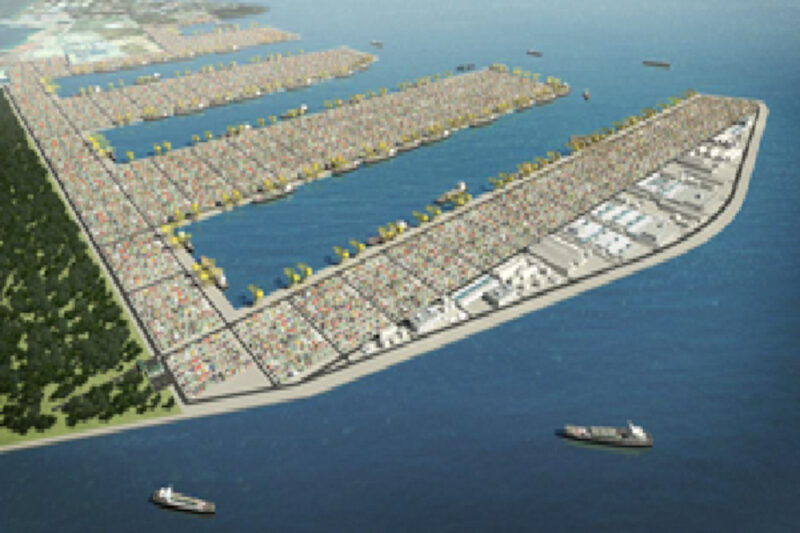
For example Jurong and Tuas are associated with manufacturing, logistics, marine-related industries and other industrial activities. That is why development such as Penjuru Connection set to benefit nearing the Tuas Mega Port..
Woodlands and Kranji have various industrial and engineering businesses; Ubi, MacPherson and Tai Seng have technology, engineering production and business activities mixed together.
Being in an established industrial cluster can have practical benefits for companies that rely on nearby suppliers, contractors and supporting services.
Investors can learn what types of businesses might be interested in leasing the property from the surrounding industrial ecosystem.
10. Industrial Property Regulations and Ownership Restrictions
Industrial property investment in Singapore requires planning, ownership and regulatory considerations.
Investors should know what restrictions apply before making a purchase.
Some important considerations include:
- Approved Use: Verify that the intended business activity is allowed under zoning and planning conditions of the property.
- Industrial property ownership: Some industrial properties are restricted for ownership (e.g. developments with government land sale conditions).
- Minimum occupation period: Some industrial developments have minimum occupation requirements before owners can sell or lease out units. The conditions apply to the development and its land sale terms.
Subletting restrictions: Investors should check whether the property can be let out and if there are any additional conditions attached.
Foreign Ownership: Foreign ownership eligibility depends on property type and applicable regulations.
Financing: Loan eligibility, valuation and financing terms may vary by property tenure, remaining lease and buyer profile.
It is important to carry out due diligence with the authorities, lawyers and financing institutions before buying an industrial property.
11. Developer Reputation and Building Management
The developer’s experience and quality of building management should also be taken into account.
A well-designed industrial development with practical facilities and maintenance arrangements can lead to a better ownership and operating experience.
Investors should look at the developer’s previous projects, building design, construction quality, facilities and maintenance arrangements.
For completed industrial developments it is useful to check common areas, loading facilities, lifts, car parking provisions and general condition of the building.
Buyers of newly launched industrial projects should study development specifications, sale conditions, estimated completion time and management arrangements.
These things may affect how long the property will be usable and attractive to future buyers or tenants.
12. Future Infrastructure and Development Potential
Singapore’s industrial landscape is changing as infrastructure is built and urban planning takes place, new industrial facilities are added.
The western region (in particular) is still an area of activity for Singapore’s industrial and logistics activities.
Developments such as Tuas Mega Port, Jurong Innovation District and the wider Jurong Lake District are relevant when thinking about the future economic and industrial development of western Singapore.
Other industrial locations could be improved with transportation access, business infrastructure and commercial development around them.
However, investors should not confuse completed infrastructure with confirmed development plans and speculative future projects.
Future growth potential should be one part of the investment assessment not the only reason to buy an industrial property.
13. Exit Strategy and Resale Potential
A good industrial property investment should have a clear exit strategy.
Investors should think about who the potential future buyers might be and whether the property will appeal to business owners, industrial operators or other eligible investors.
Factors that may influence resale demand are property tenure (lease remaining), location, unit size, permitted use, building specification and market conditions.
An industrial property with practical layouts and specifications that meet the needs of business users may have a wider pool of potential buyers.
Investors should also account for the holding period and transaction costs when estimating their potential returns.
A property that has great rental income can still be hard to sell for the right price if the remaining lease is short or the unit is not business usable.
14. Buying for Own Use vs Buying for Investment
There is an important difference between buying an industrial property for business use and buying one purely for investment.
For business owners, the main priority may be finding premises that support daily activities (e.g. machinery fit-out), storage space, future expansion of business etc.
Purchasing an industrial unit may also give you more control over business premises than leasing (although ownership entails financial and regulatory responsibilities).
For property investors it’s usually rental demand, rental income available to them, tenant quality, holding costs, financing and resale potential.
Buyers may also buy an industrial unit for their own business first (to see if it will be a good investment or resale property).
Knowing the primary purpose of the purchase will help buyers choose the right industrial property and not pay for something they don’t need.