
Singapore is quickly changing its urban landscape to support a modern economy. Penjuru Connection Industrial anchors this change and supports the next generation of growth. It gives businesses a clear plan for success in a competitive global market.
The project meets the strong needs of B2 industrial properties. These sites support heavy industries, dangerous cargo storage, and specialized engineering workshops. They also offer infrastructure for telecommunications, data centers, and advanced software development firms.
Companies in these zones must build strong operational resilience. Penjuru Connection supports smooth links and creative design, helping businesses stay ahead. Investors and operators can gain long-term value as these facilities raise standards across the local industrial landscape.
Why Penjuru Connection Matters to Singapore’s B2B Industrial Future
Modern businesses need more than space; they need a high-performance industrial hub to grow. Fast goods movement can decide B2B success in today’s economy. Penjuru’s strategic location supports long-term growth.
The site offers strong access to key maritime and land transport nodes. Near the PSA terminals and Jurong Port, companies can greatly reduce transit times. This proximity supports efficient Singapore industrial development and helps firms maintain lean supply chains.
The Tuas Checkpoint and major container yards are also nearby. This gives logistics-dependent businesses a major advantage. Manufacturers and warehouse operators can streamline distribution with ease, while freight companies scale without common infrastructure bottlenecks.
A site in this connected industrial hub helps businesses compete in a fast-paced market. It gives companies a reliable base for trade efficiency and regional access. This area will continue to play a key role in shaping the future of Singapore industrial development.
Penjuru’s Strategic Position Within Singapore’s Industrial Network
Penjuru Road’s strategic location makes it a key part of Singapore’s supply chain. Companies can choose from many Penjuru Road warehouse options for different industrial needs. The area helps firms stay near major transport links and port facilities.
Companies compare building layouts to match their daily workflows. 51 Penjuru Road stands out for its low-PSF value and cost-effective storage. It offers space for large-scale inventory management without newer developments’ premium costs.
In contrast, 46A Tanjong Penjuru is a modern, five-storey ramp-up facility. Its design supports fast loading and unloading for high-efficiency logistics. These features can improve throughput and help businesses use logistics space Singapore more efficiently.
Industrial users should weigh several factors before signing a lease in this district. Access to major expressways, building age, and floor loading capacity matter alongside the rental rate. Together, these factors show whether a facility can support long-term business growth.
Choosing a Penjuru Road warehouse means balancing budget limits with operational needs. Demand for high-quality logistics space Singapore keeps rising. Understanding this industrial cluster helps companies maintain a competitive market edge.
Building a Connected Ecosystem for Industrial Businesses
Creating a thriving industrial ecosystem requires more than physical space; it needs strategic connectivity. The Jurong industrial estate brings manufacturers, logistics providers, and technology firms together to improve efficiency. Clustering these groups lets businesses share resources and streamline operations in a collaborative environment.
A prime example of this integration is located at 3 Pioneer Sector 3. This site offers direct access to major transport routes, including the Ayer Rajah Expressway and the Pan-Island Expressway. These links move goods quickly across the island, cutting transit times and lowering operating costs.
Logistics efficiency also improves because the site is near PSA terminals. These world-class port facilities help businesses manage complex supply chains with greater agility. This location advantage helps firms that depend on international trade and timely distribution stay competitive.
The ecosystem grows stronger through links with nearby developments, such as the Bulim Area in the Jurong Innovation District. This proximity connects traditional industrial manufacturing with modern, technology-driven innovation. When these sectors align, they build a strong network supporting long-term growth for all stakeholders in the Jurong industrial estate.
Facilities and Infrastructure Designed for Modern B2B Operations
Access to major logistics hubs helps modern industrial sites in Singapore run efficiently. Facilities at 8 Jalan Besut sit within a five-minute drive of the Ayer Rajah Expressway. This location helps businesses maintain high throughput across complex regional supply chains.
Nearby maritime gateways strengthen this industrial ecosystem. Companies gain easy access to Jurong Port, a vital hub for international trade. The future Tuas Port will offer more capacity and advanced automated logistics services.
Specialized industrial clusters add value to this location. Nearby, the JTC Chemical Hub creates synergies for energy and chemical firms. Close access to Jurong Island and the Singapore Lube Park can simplify distribution and cut operating costs.
Infrastructure Standards That Support Business Continuity
Modern B2B operations need resilient, high-standard facilities. These facilities help safety protocols and logistics workflows continue during peak demand. This reliability supports companies that depend on steady throughput from Jurong Port and upcoming Tuas Port projects.
Strong infrastructure helps firms adapt quickly to changing industrial needs. Advanced connectivity and specialized site features can support long-term growth. This foundation helps companies compete effectively and meet high-performance standards in Singapore’s changing industrial landscape.
Technology and Innovation Across the Penjuru Industrial Landscape
Smart technology is shaping Singapore’s industrial future. Modern facilities use strong connections so each part of an industrial ecosystem works well together. Automation and digital tools simplify workflows and cut manual errors.
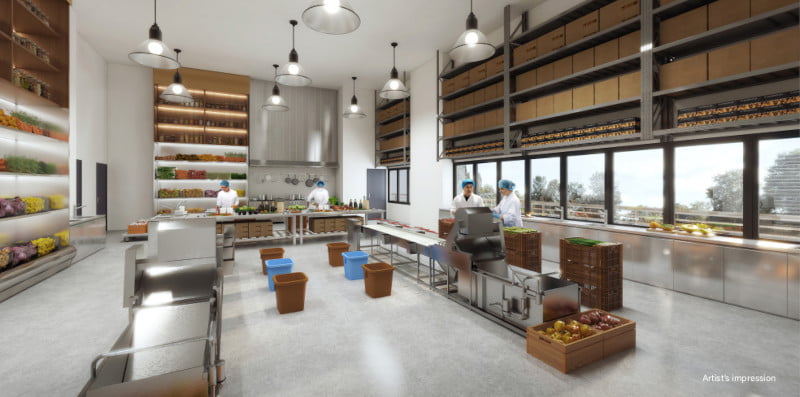
Properties like 218 Pandan Loop show this change by bringing different assets under one roof. This facility has cold rooms, an automated storage retrieval system, and central kitchens beside co-working offices. This flexible setup helps companies improve B2B operations by keeping production, storage, and administration in one efficient location.
Using Real-Time Data to Strengthen Decision-Making
Data guides modern logistics and manufacturing. The JTC Logistics Hub @ Gul shows how integrated infrastructure supports better choices through real-time visibility. With two floors for empty-container storage, eight warehouse floors, and a rooftop heavy-vehicle park, the hub tracks supply chain movements.
Access to this information helps managers make faster, more accurate changes to daily tasks. When an industrial ecosystem provides constant data, leaders can spot bottlenecks before they occur. This proactive approach keeps B2B operations smooth in Singapore’s fast-paced market.
Sustainability as a Competitive Advantage for B2B Industrial Development
Forward-thinking businesses see green infrastructure as a key competitive advantage. Sustainable daily practices can cut long-term costs and strengthen a company’s market position. They also support business continuity as the economy becomes more aware of resource use.
Modern facilities like 46A Tanjong Penjuru show how smart design supports these goals. This five-storey ramp-up warehouse improves logistics flow and reduces energy waste during transport. This design helps firms streamline supply chains and lower their overall carbon footprint.
Infrastructure Standards That Support Business Continuity
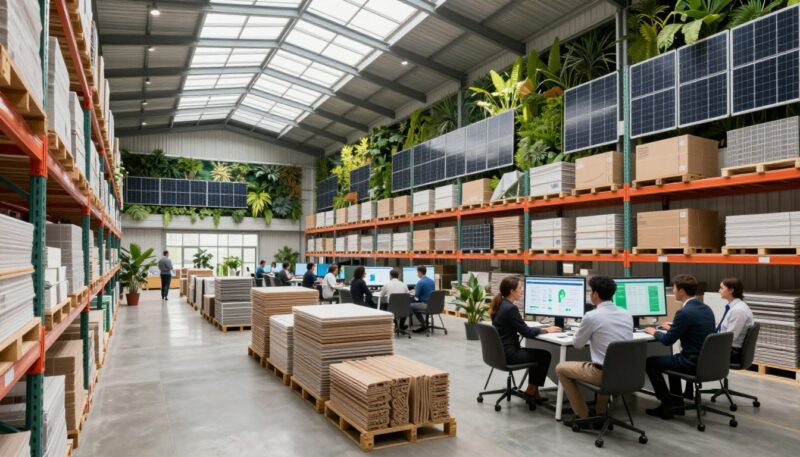
Durable infrastructure supports every resilient industrial operation. Facilities such as 2 Tuas South Link 1 offer high ceilings and strong floor loading capacities for heavy machinery. These strong standards help companies meet changing market demands without frequent, resource-heavy renovations.
A well-designed ramp-up warehouse reduces handling delays through direct vehicle access to multiple levels. This efficiency saves time and supports business continuity by preventing logistics bottlenecks. Flexible infrastructure helps businesses use resources wisely and stay competitive for years.
Business Opportunities Created by Penjuru Connection
Strategic development in the Penjuru area creates value for many industrial sectors. Advanced industrial technology helps companies improve supply chains with greater precision. Businesses can move beyond traditional operations and build a more agile, tech-driven future.
Real-time data helps logistics and manufacturing firms change how they work. Managers gain instant operational insights, helping them make informed decisions, reduce waste, and improve output. This visibility helps companies stay competitive in Singapore’s fast-paced market.
Several infrastructure projects show rising demand for specialized facilities. 4 Pandan Crescent is a seven-storey, ramp-up e-commerce logistics hub. Its main-road frontage supports high-volume fulfillment and shows why modern infrastructure matters to e-commerce success.
JTC Aviation Two shows how sector-specific designs can support niche industries. This 11-storey development in Seletar Aerospace Park gives aerospace companies tailored spaces to grow. Together, industrial technology and real-time data support long-term growth in logistics, aerospace, and specialized manufacturing services.
Workforce, Talent, and Skills for the Next Industrial Era
Sustainable industrial development depends on people who run advanced facilities. As businesses adopt automated, resource-efficient systems, demand for skilled workers keeps rising. Workers need technical skills to manage complex machinery and maintain efficient operations.
This shift supports industrial innovation Singapore. Modern facilities are active environments, not static structures. They need constant monitoring and optimization.
Employees who navigate digital systems help companies compete in global markets.
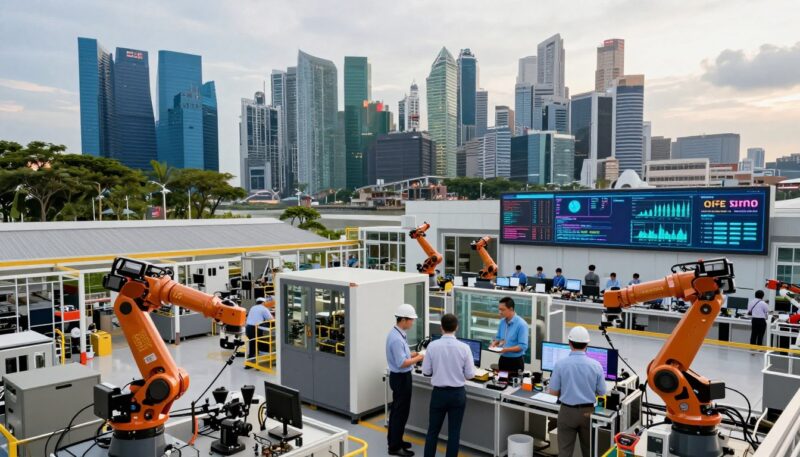
Physical infrastructure helps develop this talent. For example, JTC Bulim Square has four blocks of five- and six-storey buildings that encourage collaboration. Its dedicated community and event spaces encourage interaction beyond traditional factory functions.
Practical experience remains the best teacher for people entering this field. The JTC Food Hub @ Senoko shows how specialized infrastructure builds workforce skills. Its integrated cold-room warehousing gives staff a real-world setting to master technical skills for temperature-controlled logistics.
Ultimately, sustainable industrial development depends on human talent working with smart design. By investing in workspaces and their users, Singapore stays at the forefront of industrial innovation Singapore. This approach prepares the nation for challenges and opportunities in the next industrial era.
Market Factors Businesses Should Evaluate Before Expanding to Penjuru
Before committing to industrial expansion Singapore, companies must assess several key operating factors. A careful plan helps match the facility to long-term business goals. Studying the local market can lower risks and improve efficiency.
First, verify the property’s approved use. For example, 10 Chin Bee Drive serves food production and sits near similar food factories. This cluster offers benefits, but it may not fit companies in other industries.
Businesses should seek properties with flexible layouts. For example, 120 Pioneer Road combines warehousing, office, and production space under one roof. This setup suits firms that want simpler logistics and administrative workflows.
When exploring B2B opportunities, assess the floor configuration, accessibility, and total costs. Rent and purchase prices vary widely by building specifications and location. Check whether the layout meets current production needs and supports future growth.
Finally, scalability matters to successful industrial expansion Singapore. Choose a site that can support higher output or new technology as your company grows. These factors can help your business achieve long-term success in Penjuru’s competitive industrial hub.
How Penjuru Connection Could Shape Singapore’s Regional Competitiveness
Penjuru Connection offers a strong blueprint for improving Singapore’s regional competitive edge. It combines advanced infrastructure with strategic business hubs to attract high-value investments. This development helps build the industrial workforce Singapore needs to compete globally.
The initiative depends on building essential industrial skills among local workers. Modern facilities like JTC Aviation Two show how specialized aerospace infrastructure can support high-tech growth. These spaces help companies expand while meeting strict standards for precision and safety.
Properties such as 218 Pandan Loop show why versatility matters in today’s market. They combine fitted co-working offices, automated storage systems, and cold rooms for diverse business needs. This flexibility helps firms manage logistics and production under one roof.
To remain a regional leader, the industrial workforce Singapore develops must be highly adaptable. Workers need to master a wide range of competencies, including digital systems management and complex maintenance protocols. These capabilities keep local operations efficient and resilient during supply chain disruptions.
Ultimately, these advanced facilities foster collaboration and innovation. When businesses combine technical expertise with strong industrial skills, they create a powerful ecosystem. This synergy will define Singapore’s ability to lead the next era of industrial development.
Penjuru Connection’s Long-Term Role in Singapore’s Industrial Growth
Penjuru Connection marks a vital shift in how businesses view industrial property Singapore. It supports a larger logistics network instead of standing alone. This strategic link supports Singapore’s long-term vision for an efficient supply chain.
Tanjong Penjuru offers unmatched access to PSA terminals and Jurong Port. Its proximity to the Tuas Checkpoint and major container yards keeps goods moving smoothly. These logistics strengths boost regional competitiveness Singapore needs to remain a global trade hub.
Future success depends on smart infrastructure working with a skilled workforce. Companies using sustainable planning and advanced technology will thrive here. This broad approach will keep the area a pillar of economic stability for decades.
Industry leaders should assess how these assets support their growth targets. Joining this ecosystem offers a clear path to operational excellence. Your business can help shape the region’s next chapter of industrial development.