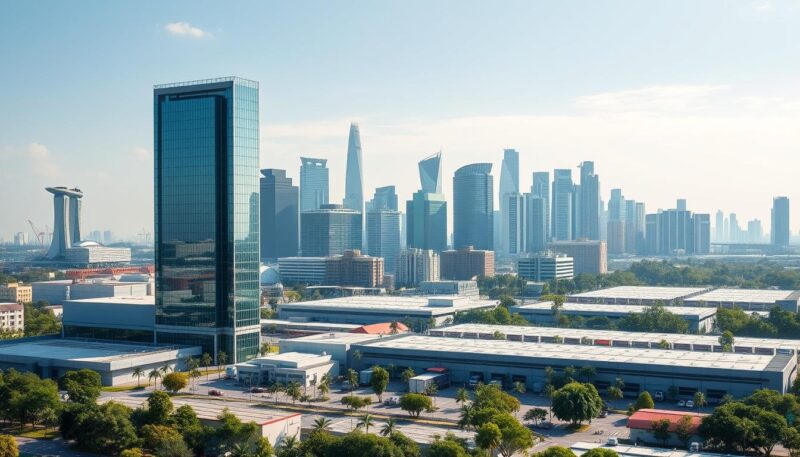
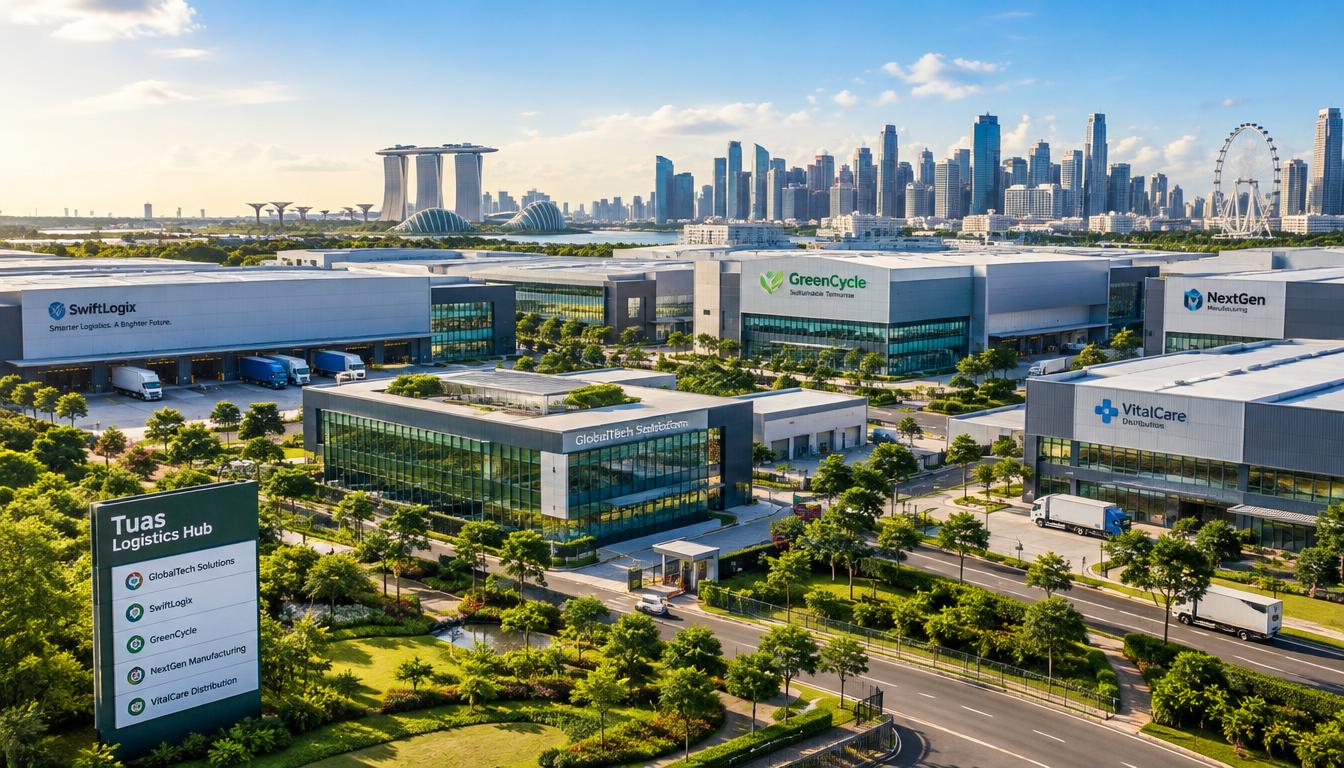
Singapore has become a global hub for logistics, manufacturing, and advanced technology. This change makes its industrial property market vital to the nation’s commercial real estate landscape. Investors now consider these assets for resilient, diversified portfolios.
Projects such as the Tuas Mega Port and Jurong Innovation District create strong demand for space. These developments attract high-value businesses that need modern facilities and support growth. This progress keeps industrial property a leading choice for long-term stability.
Navigating this market requires knowledge of current pricing, zoning laws, and tenant requirements. Prospective buyers must assess tenure and financing options carefully to reduce possible risks. Reviewing these factors can reveal opportunities in this competitive industrial property market.
Success depends on balancing growth potential with a clear strategy for asset management.
Overview of Singapore’s Industrial Property Market
Investors often turn to Singapore’s industrial assets to diversify portfolios beyond standard commercial real estate. Unlike homes and office towers, these properties support manufacturing, logistics, and technology. They provide infrastructure that strengthens the local economy and supports global trade.
The market has several segments, each meeting different business needs. Warehouses and factories serve traditional manufacturing and supply chains, while business parks support research and development. Digital growth has also raised demand for data centers housing vital cloud infrastructure.
Understanding how these assets differ from other commercial real estate supports sound planning. Office spaces serve administrative work, while industrial properties need strong floors, high ceilings, and heavy-vehicle access. These features help businesses operate efficiently in a competitive global market.
Steady transaction activity shows strong confidence among occupiers and investors. Singapore continues to grow as a hub for high-value manufacturing and digital services. Demand for specialized industrial space remains strong, highlighting the long-term value of well-positioned assets.
Current Trends Shaping the Market
Investors seeking an industrial property for sale must understand forces reshaping today’s market. E-commerce and logistics growth has sharply increased demand for specialized warehouse space. These facilities need advanced connectivity for complex supply chain operations.
Data centers and advanced manufacturing firms are changing the sector. These tenants seek high-specification buildings with strong power capacity and specialized infrastructure. These features help businesses maintain peak efficiency in a competitive global environment.
When assessing an industrial property for sale, consider sustainability’s role in long-term value. Many owners invest in energy-efficient upgrades and green certifications to attract high-quality tenants. Retrofitting older buildings cuts operating costs and meets modern environmental standards.
Technological integration also shapes modern industrial space design. Automation, cloud computing, and artificial intelligence need buildings that support advanced digital systems. Smart building features help companies improve workflows and overall productivity.
Overall, the market for an industrial property for sale is shifting toward smarter, more sustainable solutions. Investors who follow these trends will likely see better returns on their assets. Staying ahead of these changes is essential for success in the evolving Singaporean market.
Price Trends in Industrial Properties
The industrial property for lease market is stabilizing while pursuing strategic growth. Although the overall price index fell modestly in the first quarter of 2024, the sector remains healthy. Prime warehouse rents and high-specification assets still show strong underlying performance.
Investors must compare asset classes to understand these price changes. Freehold properties often cost more because they may gain value over time. By contrast, 60-year leasehold assets depend on their remaining tenure and immediate rental yield potential.
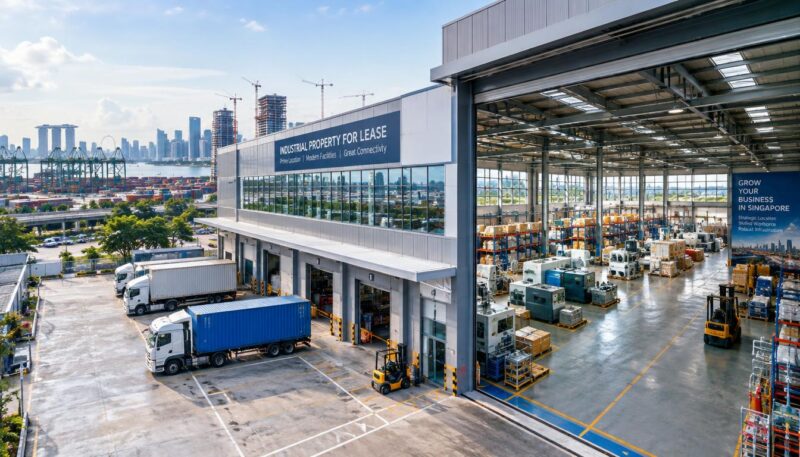
When assessing an industrial property for lease, location remains the most important factor. Properties near major transport hubs or logistics corridors usually keep higher occupancy rates. They face less risk from volatility in secondary industrial zones.
Supply pipelines and vacancy rates also shape prices. A surge in new factory space can briefly slow rental growth in some districts. However, high-quality tenants often choose modern facilities, keeping demand for premium spaces strong.
Successful market decisions require a close review of each asset. Investors can find value by studying remaining lease tenure and existing tenant quality. The right industrial property for lease balances these measures with broader economic trends.
Investment Opportunities in Singapore
Industrial property investment in Singapore requires a clear view of asset classes and related costs. Investors can buy properties directly or gain indirect exposure through industrial REITs. Each choice suits different long-term financial goals.
Direct industrial property investment lets you own physical assets, such as warehouses, factories, or specialized facilities. These properties often offer stable corporate leases and attractive rental yields. However, owners face shorter lease tenures and must provide significant capital for maintenance.
Business parks are a premium market segment that often attracts high-tech tenants and multinational corporations. These assets can diversify a portfolio, but require knowledge of specialized infrastructure. Compared with traditional commercial assets, they may also have lower liquidity.
For a more passive approach, industrial REITs offer sector exposure without managing entire buildings. This form of industrial property investment lowers the entry barrier for individual investors. Professional management and regular dividend distributions come without direct ownership’s complexities.
Whatever strategy you choose, plan for several transaction costs. These include the minimum cash down payment, Buyer’s Stamp Duty, and Goods and Services Tax (GST). Professional fees and ongoing ownership expenses also affect your net return calculations.
Careful planning helps your industrial property investment match your risk tolerance and liquidity needs. Balance growth potential with lease tenures and maintenance needs to build a resilient portfolio. Always consult financial experts about Singapore’s specific regulatory requirements.
Regulatory Environment Influencing Investments
Singapore’s strict zoning laws strongly shape industrial property development success. The Urban Redevelopment Authority (URA) manages land use and keeps industrial activity compatible with nearby areas. Investors must understand these planning guidelines to avoid costly compliance issues later.
Zoning mainly falls into B1 and B2 categories. B1 light-industrial zoning supports clean, light industries with little environmental impact on nearby areas. These sites often sit near residential or commercial hubs, making them popular for modern business parks.
By contrast, B2 heavy-industrial zoning permits more intensive manufacturing and industrial processes. These sites usually lie farther from residential zones because of possible noise, vibration, or chemical emissions. The National Environment Agency (NEA) enforces strict buffers for these properties to protect public health and safety.
Before investing in industrial property development, verify the site’s approved use. Zoning compatibility, lease restrictions, and specific building requirements can greatly affect your return on investment. Check whether the property supports your planned business activities or needs a change of use application.
Finally, assess your asset’s long-term redevelopment potential. Planning permissions and environmental obligations can shape your holdings’ future value. Thorough due diligence on land sales and regulatory limits helps keep your investment sustainable and profitable in the long run.
Challenges Facing Industrial Property Investors
Although the sector offers growth, investors face several challenges in current industrial property market trends. Economic cycles can slow development, while higher interest rates raise borrowing costs. Persistent inflation also increases construction and operating costs, which can reduce owner profits.
New supply remains a major concern for many stakeholders. As more facilities open, competition for quality tenants grows. This pressure can slow rent growth and give tenants more power in lease talks.
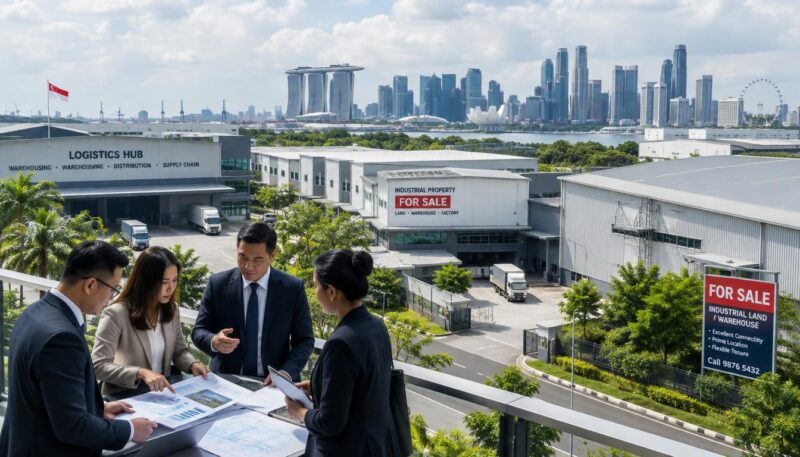
Operational efficiency also faces outside pressure. Investors should assess infrastructure, including access to major highways and port connections. Poor logistics, limited labor, or weak utility capacity can reduce a site’s long-term value.
Beyond broader industrial property market trends, investors must watch risks tied to each asset. Stable headline demand does not ensure success when a property has high vacancy or tenant concentration. A single major tenant can create large revenue gaps after financial trouble or relocation.
Investors also cannot ignore functional obsolescence. Older buildings may lack features that today’s logistics firms need, including high ceilings and advanced automation. Investors must weigh these limits and rising refinancing costs to keep portfolios strong in a changing economy.
Forecast for the Future of Industrial Property
Modern industrial property management is becoming central to success in a fast-changing economy. Singapore expects economic growth between 2.0% and 4.0% by 2026, which may increase demand for high-quality assets. Investors must adapt to limited supply and tenants’ clear flight-to-quality trend.
The sector’s future lies in specialized facilities for high-growth industries. We expect strong growth in data centers, biomedical campuses, and advanced manufacturing hubs. These innovation districts need special infrastructure for complex operations and global logistics networks.
Effective industrial property management now requires long-term asset planning. Owners should make ongoing energy upgrades to meet sustainability standards and cut operating costs. Flexible layouts help buildings serve varied tenant needs, from automated warehousing to research laboratories.
Technology-ready infrastructure is now essential for competitive assets. Facilities need high-speed connectivity and automation to stay useful in the digital age. Smart building systems help owners track performance and improve efficiency.
Redevelopment will help renew aging industrial buildings. Investors can turn older sites into modern, multi-functional spaces and gain higher rental yields. Successful industrial property management depends on balancing new technology with planned capital improvements.
Case Studies: Successful Industrial Property Investments
Real examples offer a clear guide to industrial property valuation in Singapore. By studying Mapletree Business City and one-north, investors can spot traits that support long-term capital appreciation. These projects show how a prime location combined with high-specification infrastructure creates significant rental premiums.
Building quality remains vital when determining an asset’s market worth. Modern business parks with flexible floor plates and high ceilings attract high-value tenants, stabilizing income. Professional investors examine how these features support sustainable industrial property valuation over time.
Retrofitting older industrial assets offers another path to success. Many developers upgrade energy performance and operational efficiency to meet modern environmental standards. These changes cut utility costs, improve tenant retention, and help properties compete with newer builds.
Investors should also assess lease structures and accessibility. A well-positioned asset with strong transport links and diverse tenants better withstands market downturns. These factors form a strong industrial property valuation strategy.
Successful investments account for future tenant needs and redevelopment potential. By calculating replacement costs and tracking market shifts, investors can secure assets with reliable rental income. Lessons from established Singapore projects improve decisions about future acquisitions.
How to Get Started in Industrial Property Investment
Building a portfolio in Singapore’s industrial sector requires disciplined risk management. First, define your investment objectives and time horizon. Check each asset’s remaining lease tenure and zoning regulations against your long-term goals.
Calculate total cash needs, including stamp duties and renovation costs. Compare financing terms from major lenders, such as DBS, OCBC, or UOB, to improve your capital structure. Test projected rental income against possible vacancies and operating expenses to protect healthy cash flow.
Consult legal, tax, and valuation experts before submitting an offer. Use official resources from the Urban Redevelopment Authority (URA) and JTC Corporation to verify property data. Independent due diligence is the most effective way to protect your capital.
Review current market reports to track changing demand patterns. Contact licensed real estate agents who specialize in industrial assets for deeper insight into specific clusters. These careful steps can prepare you for success in Singapore’s competitive property market.